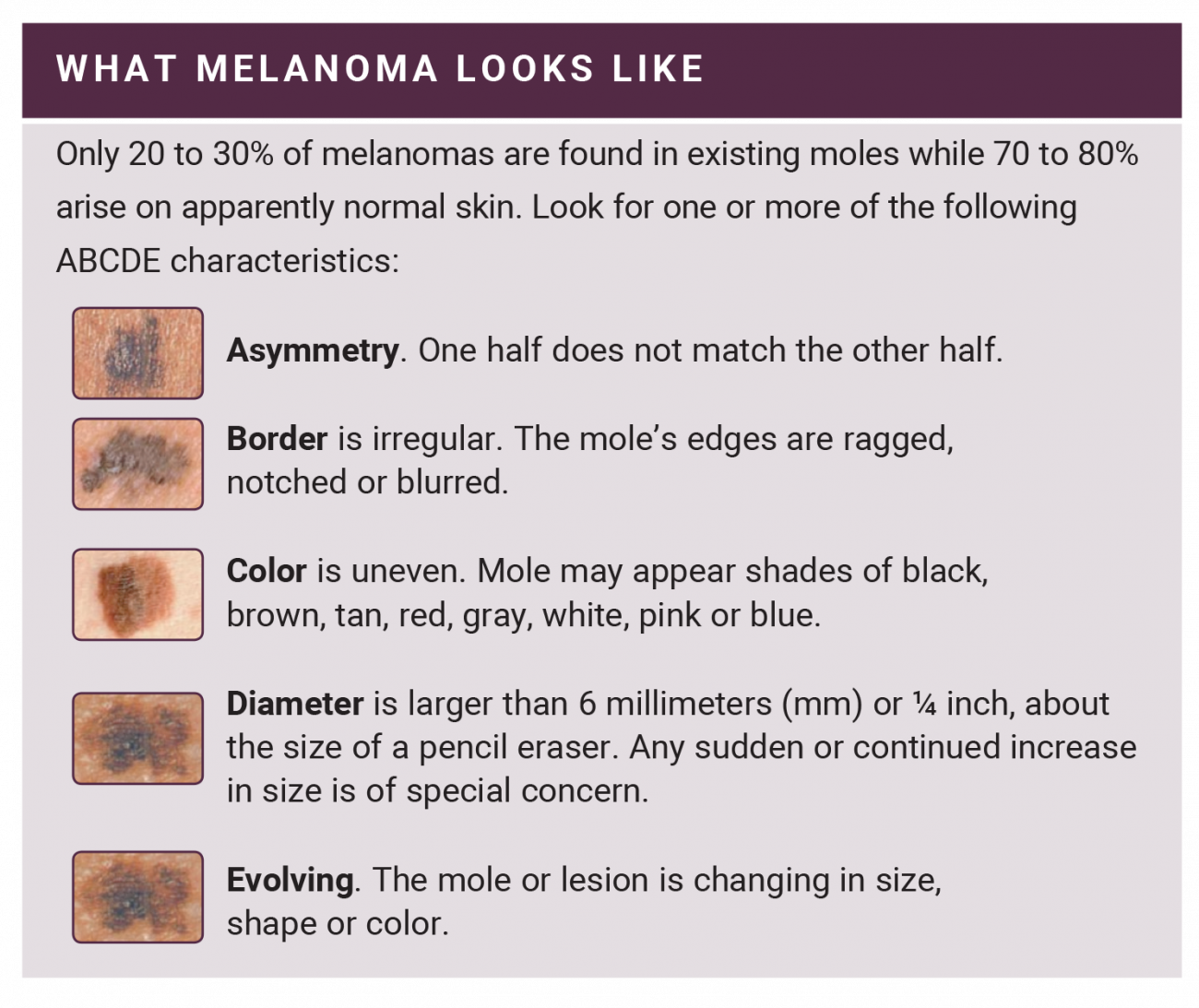
Skin Cancer Cells Skin cancer cells often has no signs and symptoms in its onset, though symptoms can appear at any type of factor. Have your medical professional inspect any kind of lesions, moles or adjustments on your skin. It's a great idea to have your skin inspected by a medical professional every year. In fact, more people are identified with skin cancer annually in the united state than all various other cancers cells integrated, and more than two people die of the condition every hour. At least one in 5 Americans will develop skin cancer by the age of 70. It usually occurs on the nose, temple, ears, lower lip, hands, and various other sun-exposed locations of the body. Squamous cell carcinoma is treatable if captured and treated early. If the skin cancer becomes more advanced, therapy will certainly depend on the stage of cancer cells. At Advanced Dermatology & Aesthetic Medicine, our board-certified dermatologists bring comprehensive experience in detailed skin cancer cells testing. Dr. Monica Rani, with over 15 years of experience and dual board accreditations in dermatology and Great post to read internal medicine, leads our group in supplying detailed, specialist exams.
What skin lesions are mistaken for cancer?
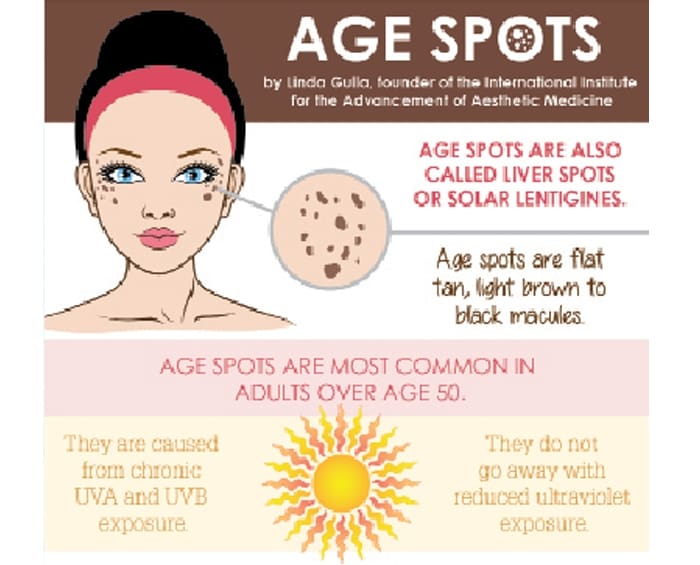
The 3 most usual types of skin cancer cells are basal cell carcinoma, squamous cell carcinoma, and melanoma. Numerous skin conditions could be easily mistaken for cancer cells, including pimples, age areas, moles, skin tags, protuberances, blemishes, eczema, psoriasis, and cherry angiomas.
Professional Trial Studies Glp-1 Drug For Alcohol-use Problem
Skin cancers cells-- consisting of cancer malignancy, basal cell carcinoma, and squamous cell carcinoma-- frequently begin as adjustments to your skin. They can be new developments or precancerous sores-- changes that are not cancer cells yet could become cancer in time. An estimated 40% to 50% of fair individuals that live to be 65 will certainly develop at least one skin cancer cells.Free Skin Cancer Checks
Kaposi's sarcoma is a malignant skin growth sore that is a feature of approximately 20% of all male AIDS (Gotten Immune Shortage Disorder) people. Kaposi's sarcoma usually appears as purple lesions with silver scales on the feet and ankle joints that then spread out up the legs to hands and arms. It is an aggressive and frequently deadly cancer cells and might trigger inner blood loss. A cancer malignancy is a form of skin cancer cells that creates in the cells (melanocytes) that generate the pigment that gives shade to your skin, hair and eyes. If you're keeping track of a certain area, take an image on your phone. Then, if you see your place has changed, arrange an appointment before your annual check. If we find a sore we presume of skin cancer, we'll suggest a same-day skin biopsy. We'll numb the area, eliminate the lesion, and send it to the pathologist for examination.- Our melanoma lump board takes a team technique to treating melanoma.With routine visits, your doctor has the ability to check concerns closely and begin therapy if they discover a modification.Use these skillfully produced infographics and videos to assist others find and prevent skin cancer.It is essential to examine your skin routinely for new developments or changes in existing moles.